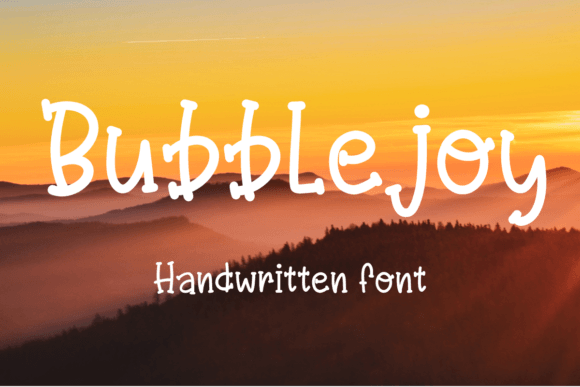
Sunshine: A Playful Handwritten Font for Creative Projects
Sunshine is a handwritten font that brings a unique and friendly aesthetic to design projects. Its playful nature makes it ideal for a wide range of applications, from invitations to posters and beyond. Designed with a casual, approachable style, Sunshine adds warmth and charm to any visual project. Whether you're creating content for a child's birthday or a wedding invitation, this font can elevate your design with its expressive character.
What Makes Sunshine Stand Out?
Sunshine is more than just a font—it's an expression of personality. The font features flowing, irregular strokes that mimic the natural movement of handwriting. This gives it a handcrafted feel that feels personal and inviting. Unlike many digital fonts that prioritize uniformity, Sunshine embraces imperfection, making each letter appear as if it were written by hand.
One of the key strengths of Sunshine is its versatility. It works well in both small and large sizes, which means it can be used effectively across different media formats. From digital displays to printed materials, the font maintains its readability and visual appeal. This adaptability makes it a valuable tool for designers looking to maintain a consistent look across multiple platforms.
Practical Use Cases for Sunshine
Sunshine is particularly well-suited for creative projects that require a warm and friendly tone. Here are some common scenarios where this font shines:
- Easter Designs: The playful and cheerful nature of Sunshine aligns perfectly with the festive spirit of Easter. It can be used on greeting cards, party decorations, or even digital banners.
- Back-to-School Invitations: For school events or back-to-school themes, Sunshine offers a youthful and welcoming vibe that resonates with students and parents alike.
- Wedding Invitations: While not the most formal option, Sunshine can add a whimsical touch to wedding invitations, especially for couples who want to convey a sense of fun and romance.
- Party Decorations: Whether it's a birthday party or a themed event, Sunshine can help create eye-catching signage, banners, and promotional materials.
- Blogs and Websites: For blogs or websites targeting younger audiences, using Sunshine can enhance the user experience by making the content feel more engaging and relatable.
- Child-Related Designs: From coloring pages to educational materials, Sunshine’s playful style makes it an excellent choice for content aimed at children.
- Greeting Cards: Whether it's a thank-you card or a birthday message, Sunshine adds a personal touch that stands out.
- Clothing and Merchandise: Brands looking to create a fun and approachable image can use Sunshine in logos, tags, or product packaging.
The font's informal tone also makes it suitable for branding efforts that aim to connect with a younger demographic. It’s not uncommon to see brands using similar styles to convey a sense of authenticity and approachability.
Quality and Usability Considerations
When evaluating any font, quality and usability are essential factors. Sunshine is generally well-designed, with clear letterforms that remain legible even at smaller sizes. However, like many handwritten fonts, it may not be the best choice for long-form text due to its decorative nature.
Readability is a critical consideration when choosing a font. While Sunshine excels in short phrases and headlines, it may become less effective in body text, especially when used for extended paragraphs. Designers should be mindful of how they apply the font and consider pairing it with a more readable typeface for longer content.
Another important aspect is consistency. Because Sunshine is a handwritten font, there can be slight variations in stroke weight and spacing. While this adds character, it may affect alignment and formatting in certain contexts. Using tools like Adobe Illustrator or InDesign can help ensure that the font looks cohesive in different layouts.
Who Benefits Most from Sunshine?
Sunshine is ideal for individuals and businesses that value creativity and personality in their design work. Freelancers, bloggers, and small business owners often find it useful for creating visually appealing content that stands out. Educators and publishers may also benefit from using Sunshine in materials designed for younger audiences.
Professionals in the creative industry, such as graphic designers and illustrators, can incorporate Sunshine into their portfolios to showcase their ability to blend aesthetics with functionality. Marketers and entrepreneurs might use it to craft brand assets that reflect a friendly and approachable image.
However, it’s worth noting that Sunshine may not be the best fit for all situations. For example, formal documents, legal contracts, or professional reports typically require a more structured and neutral font. That said, there are plenty of opportunities where Sunshine can make a positive impact.
Realistic Examples and Recommendations
To get the most out of Sunshine, it’s helpful to think about how it can be applied in real-world scenarios. For instance, a local bakery could use the font on its menu boards to create a cozy and inviting atmosphere. Similarly, a children’s book publisher might use it for titles and chapter headings to make the content more engaging for young readers.
When working with Sunshine, it’s recommended to test it in different environments before finalizing a design. Previewing the font on various devices and screen sizes can help identify any potential issues with legibility or appearance. Additionally, experimenting with color combinations can enhance the overall visual impact of the design.
For those new to using handwritten fonts, it’s also a good idea to start with simple designs. Building confidence with basic applications can lead to more complex and creative uses over time. As with any design tool, practice and experimentation are key to mastering the font’s potential.
Ultimately, the success of using Sunshine depends on how well it aligns with the project’s goals and audience. By understanding its strengths and limitations, designers can make informed decisions about when and how to incorporate it into their work.