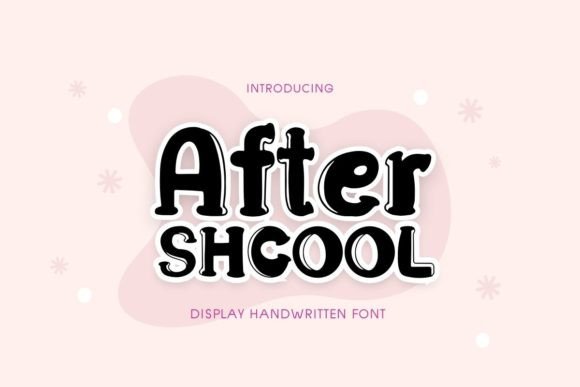
After School: A Strategic Font for Creative and Branding Success
After School is more than just a font—it's a design language that brings a unique blend of retro charm, playful energy, and visual appeal. With its blossom, groovy, and fun vibes, it stands out as a versatile choice for a wide range of creative projects. Whether you're designing for back to school themes, summer events, or kid-centric branding, After School offers an aesthetic that feels both nostalgic and fresh.
Why After School Matters in Design Strategy
In today’s fast-paced creative world, choosing the right font can make all the difference between a generic design and one that resonates emotionally with your audience. After School delivers a strategic advantage by combining retro serif elegance with a whimsical, approachable feel. This makes it ideal for brands and creators who want to communicate warmth, playfulness, and a touch of nostalgia without sacrificing professionalism.
Its design is particularly effective in scenarios where emotional connection is key. For instance, when crafting birthday invitations or summer-themed content, the soft curves and delicate flourishes of After School help evoke feelings of joy and carefree fun. This emotional resonance is crucial for building brand loyalty and customer engagement.
Strategic Use Cases for After School
The versatility of After School lies in its ability to adapt to different contexts while maintaining its core identity. Here are some strategic use cases where this font shines:
- Back to School Designs: The retro and serif qualities of After School align perfectly with educational themes, offering a friendly yet professional tone for school-related materials.
- Summer Themes: With its blossom and groovy vibe, After School is an excellent fit for seasonal campaigns, especially those centered around sunshine, flowers, and playful activities.
- Kids’ Content: The font’s cute and approachable style makes it perfect for children’s books, stickers, and craft projects, creating a sense of safety and comfort.
- T-Shirt and Apparel Design: After School adds a stylish, eye-catching element to clothing designs, appealing to both younger and older audiences who appreciate retro aesthetics.
- Branding and Marketing: Brands targeting families, educators, or lifestyle-oriented consumers can leverage After School to create a cohesive visual identity that feels warm and inviting.
Each of these use cases demonstrates how After School can be strategically deployed to support specific goals, whether it's enhancing brand recognition, improving user experience, or driving engagement through visual storytelling.
Planning Your Use of After School
Before incorporating After School into your design toolkit, it’s important to consider your project’s goals and audience. A well-planned approach ensures that the font enhances rather than detracts from your message.
Start by defining what you want to achieve with the font. Are you aiming to create a sense of nostalgia? Or are you trying to communicate a more modern, playful vibe? Understanding your objective will help you choose the right application and context for After School.
Next, think about your target audience. If you’re designing for educators or parents, the font should convey trust and reliability. If you’re working with kids or young adults, a more whimsical and colorful approach may be more appropriate.
Finally, ensure that the font complements other design elements. After School works best when paired with clean layouts, bright colors, and simple graphics that don’t overwhelm the text. This balance helps maintain visual clarity and ensures the font remains the focal point of your design.
Long-Term Value and Risk Considerations
While After School offers significant creative value, it’s important to use it intentionally rather than randomly. Overuse or misapplication can lead to a dilution of its impact and potentially confuse your audience.
One risk of using After School without clear goals is that it may not align with your brand’s overall messaging. For example, if your brand emphasizes seriousness or professionalism, a font with such a playful and retro feel might not be the best fit. Always evaluate whether the font supports your long-term vision and values.
Additionally, consider the context in which you’ll be using the font. While it’s great for summer, kid-focused, or festive themes, it may not be suitable for all types of content. For instance, using After School in a formal business document could come across as unprofessional or inconsistent with your brand image.
To avoid these pitfalls, always test the font in different contexts and gather feedback from your target audience. This helps ensure that your design choices are both effective and aligned with your strategic objectives.
Practical Tips for Using After School Intentionally
Here are some practical tips to help you use After School effectively and strategically:
- Define Your Purpose: Clearly outline why you’re using After School and what outcome you hope to achieve. This helps guide your design decisions and keeps your focus on the goal.
- Test Different Applications: Experiment with After School in various formats—such as social media posts, print materials, and digital assets—to see how it performs in different environments.
- Pair with Complementary Elements: Use After School alongside other design elements that enhance its charm without overpowering it. This includes color schemes, imagery, and layout structure.
- Consider Long-Term Branding: Ensure that After School aligns with your brand’s identity and future direction. It should support your messaging and contribute to a consistent visual experience.
- Seek Feedback: Get input from colleagues, clients, or your target audience to gauge how well After School communicates your intended message and meets your goals.
By following these steps, you can ensure that After School is used in a way that adds value to your work rather than distracting from it.
Conclusion
After School is a powerful tool in the designer’s arsenal, offering a unique combination of retro charm, playful energy, and visual appeal. When used strategically, it can enhance communication, strengthen branding, and improve user engagement. However, its effectiveness depends on thoughtful planning, clear goals, and intentional application.
Whether you’re working on summer, back to school, or kids’ themed projects, After School has the potential to elevate your designs and create a lasting impression. By understanding its strengths and limitations, you can harness its full potential and achieve better results in your creative and business endeavors.